




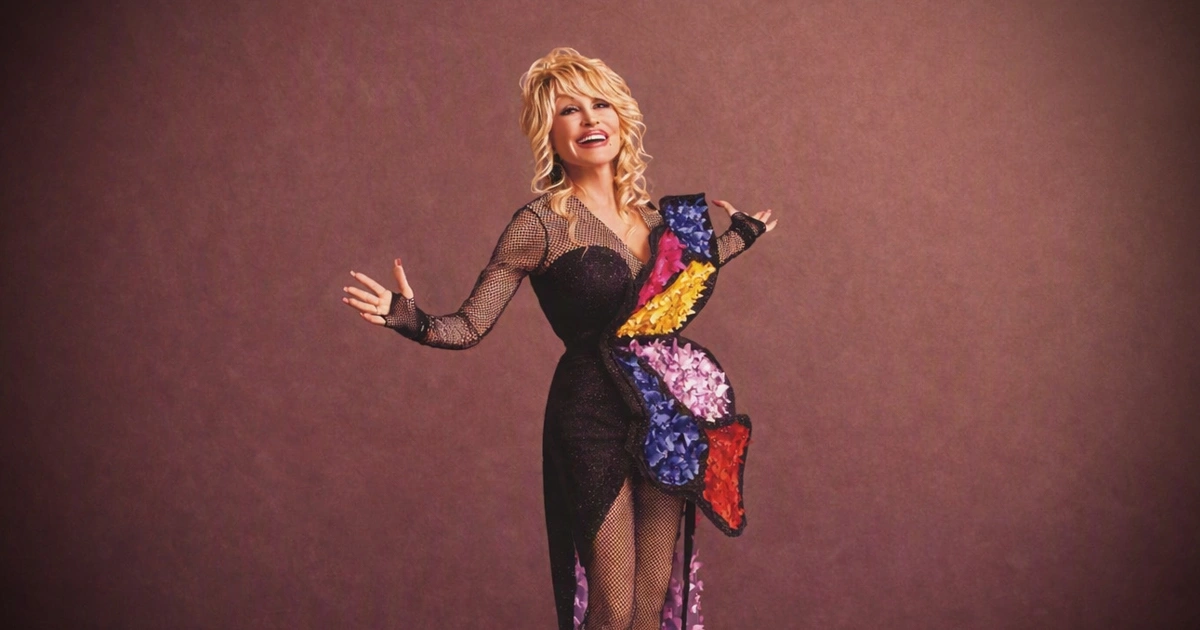
When we hear the name Dolly Parton, we often think of the global music legend, her distinctive voice, blonde hair, dazzling costumes, and songs known by generations. But behind all that fame lies the story of a little girl who grew up in a poor family, with 12 children, in the mountains of Tennessee. Dolly was the fourth of twelve children in the Parton family. Her father was a poor farmer and laborer, and the family struggled to survive. Later, Dolly spoke candidly about her childhood as a life of extreme poverty. Yet it was from that poverty that one of the most incredible stories in music began.
One of Dolly’s most painful childhood memories became one of her most beautiful songs. Her mother, unable to afford a new coat, made one from various pieces of old fabric. For little Dolly, it was wonderful. She was proud of her new colorful coat and joyfully wore it to school. But instead of compliments, the other children began to mock her. They told her she was wearing rags and that she was poor. Dolly later recounted that she cried and that it was one of her first great childhood disappointments. Years later, from that pain, the song “Coat of Many Colors” was born – a story of a poor girl who had little but a mother who gave her something made with love. And perhaps that is one of the greatest lessons of her life: What others saw as poverty, Dolly transformed into wealth.
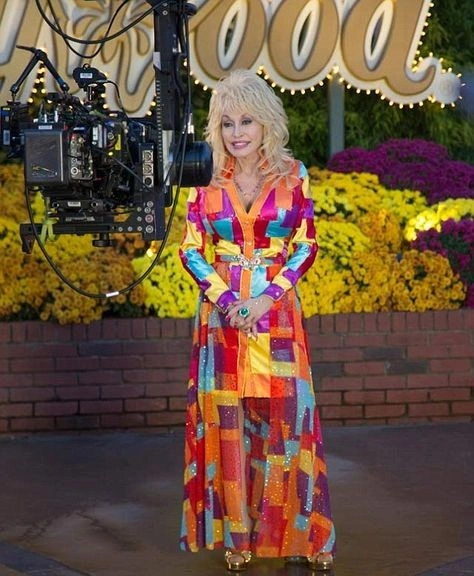
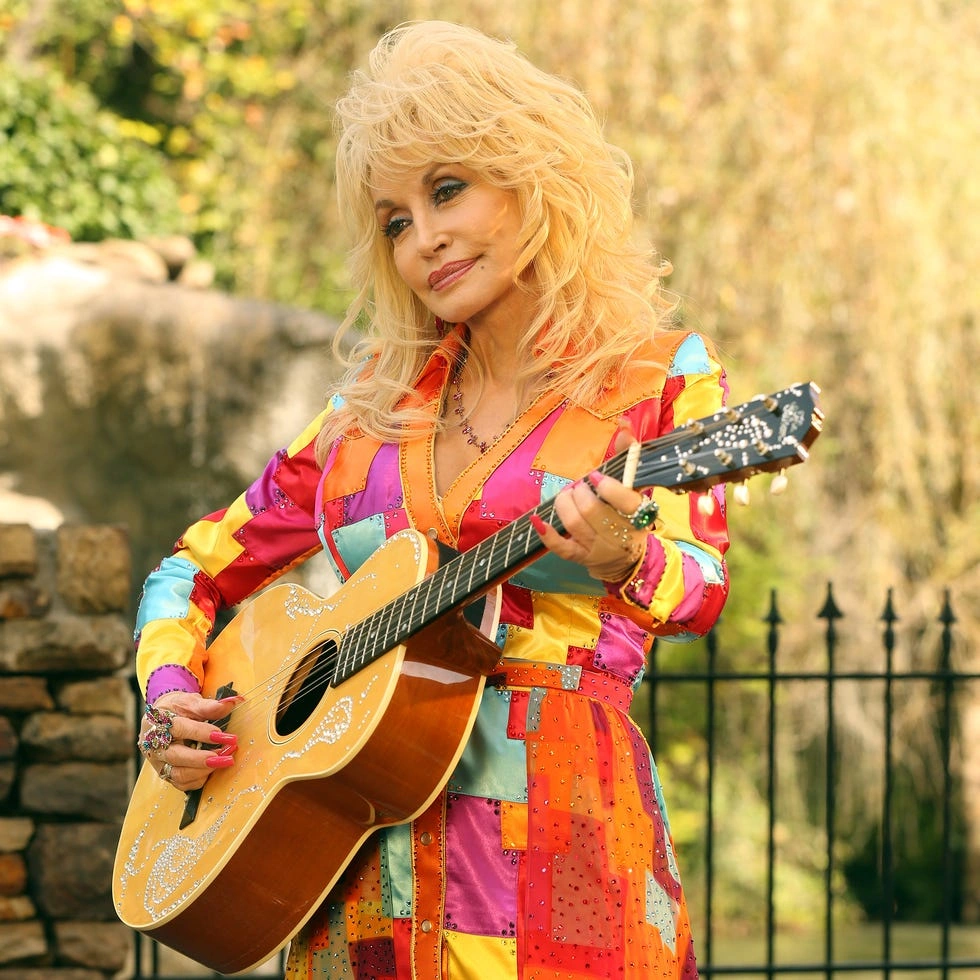
Even when she began to build her career, the comments about her appearance never ceased. Her blonde hair, bold makeup, tight clothing, and extravagant style were things that many mocked. At the start of her career, even people from the music industry wanted to change her. They told her to straighten her hair, dress more elegantly, and look “more modest.” But Dolly refused. She wanted to be Dolly, not what others wanted her to be. And that very look, once ridiculed, later became one of her most recognizable trademarks.
There is yet another deeply emotional aspect of Dolly’s life. She and her husband Carl Dean did not have biological children of their own. But that doesn’t mean Dolly didn’t want to be a mother. On the contrary. She grew up in a large family and was surrounded by children from a very young age. Some of her younger siblings later lived with her, and she took part in their upbringing. She later spoke with immense love about her grandchildren, granddaughters, and their children. To them, she was not just the famous Dolly; she was “Aunt Granny,” an aunt who loved them as if they were her own. She once explained that perhaps God didn’t give her children because there needed to be room in her heart for the children of everyone else. And that’s exactly what she did.
In 2020, speaking with Oprah Winfrey, she explained that the fact she had no children gave her the freedom to fully dedicate herself to music and her work. She believed that this was one of the factors contributing to her immense success.
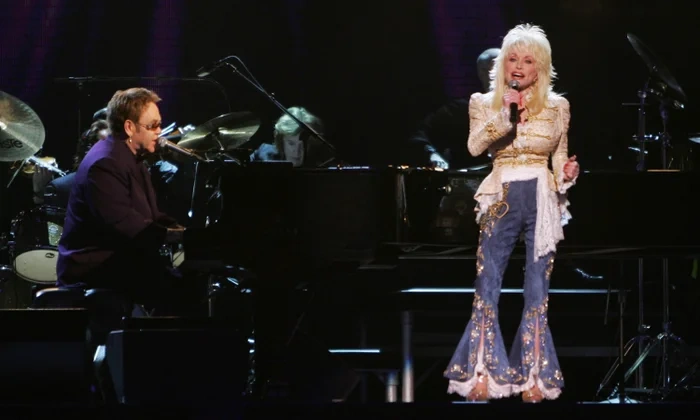
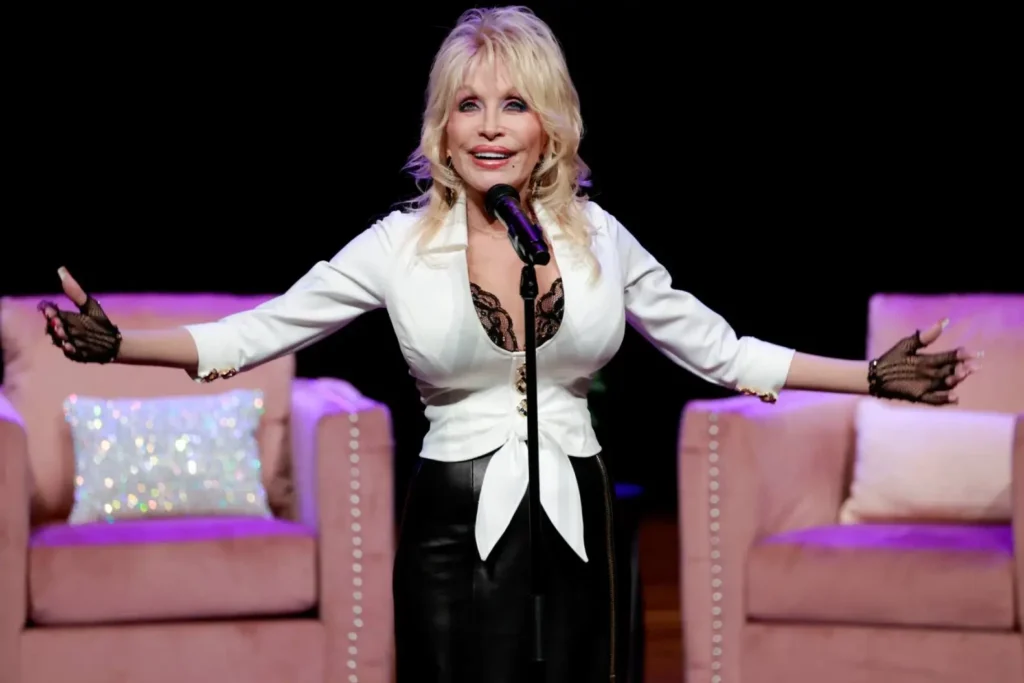
And when we talk about Dolly Parton, it’s impossible not to mention the song that became a global anthem of love and separation.
“I Will Always Love You” is a song written by Dolly Parton. She penned it in 1973, and later the song became a worldwide hit in Whitney Houston’s rendition. But the song has always belonged to Dolly. And how symbolic it is that a woman whose life has been filled with so many separations, struggles, and judgments wrote a song with the message: “I will always love you.” Because love has truly been one of the main threads in her life.
Dolly never forgot what childhood looked like without many opportunities. That’s precisely why, in 1995, she founded the Imagination Library – a program that gifts free books to children. The idea was deeply personal. Her father was a very intelligent man, but he couldn’t read or write. Dolly wanted children to have access to the books and education that he never had. The program started modestly but grew into a massive international initiative, with over 300 million books gifted.
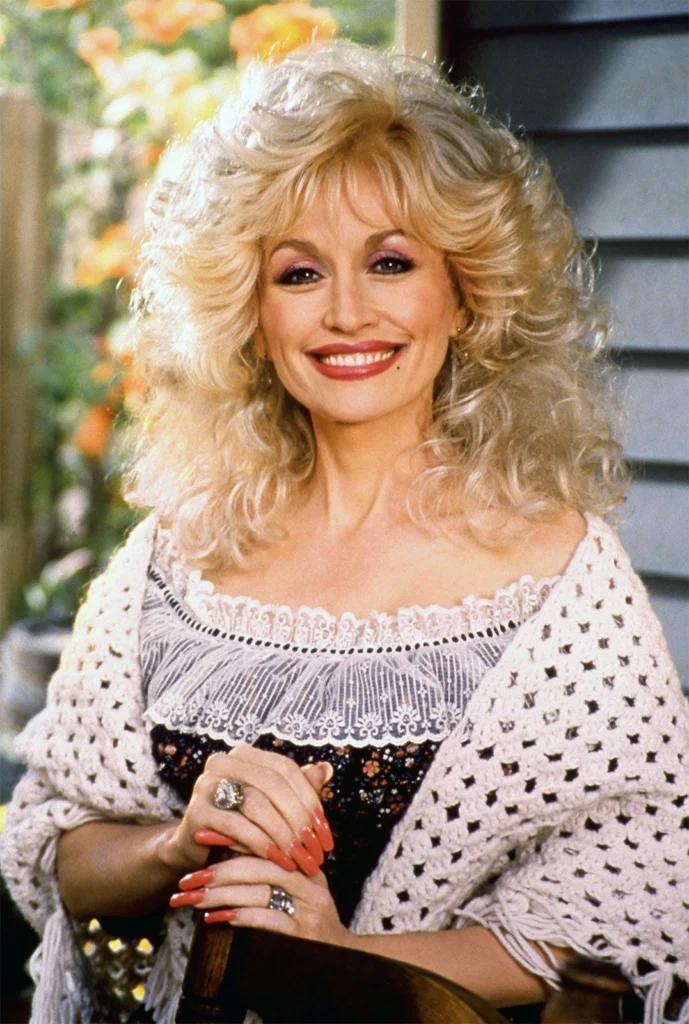
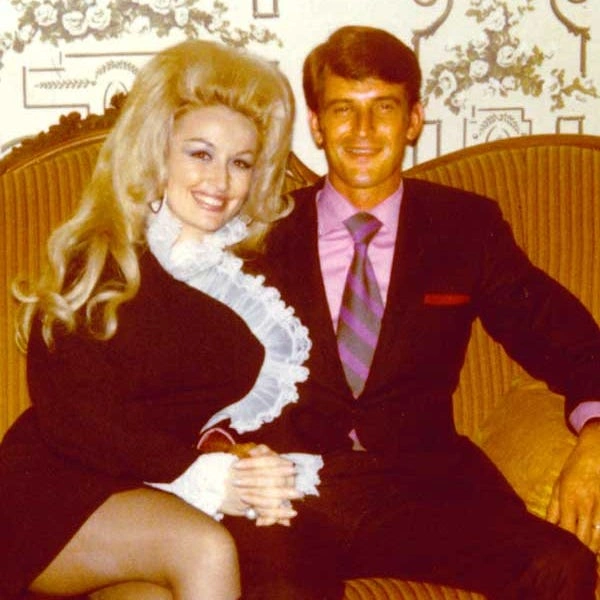
For years, Dolly has been helping in various fields – from education and childhood literacy to healthcare and assistance for those affected by disasters. In 2020, she donated 1 million dollars for medical research at Vanderbilt University Medical Center, related to COVID-19 research. She has also supported her local community, backing education and investing in people who may never have had the opportunities she received. And perhaps most impressively, she hasn’t built her entire life around the public knowing how much she has given. Many of her good deeds were not part of her public persona.
Dolly Parton has openly spoken for years about her faith in God and in the Lord Jesus Christ. Growing up in a Christian family, she sang in church from a young age, and the biblical stories and Christian music had a profound impact on her. But the most beautiful thing is that her faith did not remain confined to songs and words. She has turned it into action.
Throughout her entire life and career, she was exceptionally open about her deep faith in Jesus Christ, which served as the main driving force behind her creativity and humanitarian efforts. She often emphasized that her faith is a part of her identity and that through God, all things are possible. She made it clear that her center is Jesus. Each day, she began with prayer, asking God to guide her and to do things that would glorify Him. Her faith is immortalized in numerous Christian songs and collaborations. She performed the famous duet with Zach Williams, “There Was Jesus,” which speaks of how Jesus is always present in all of life’s falls and storms. She was even a member of the Gospel Music Hall of Fame, where her contributions to spiritual music are officially recognized.
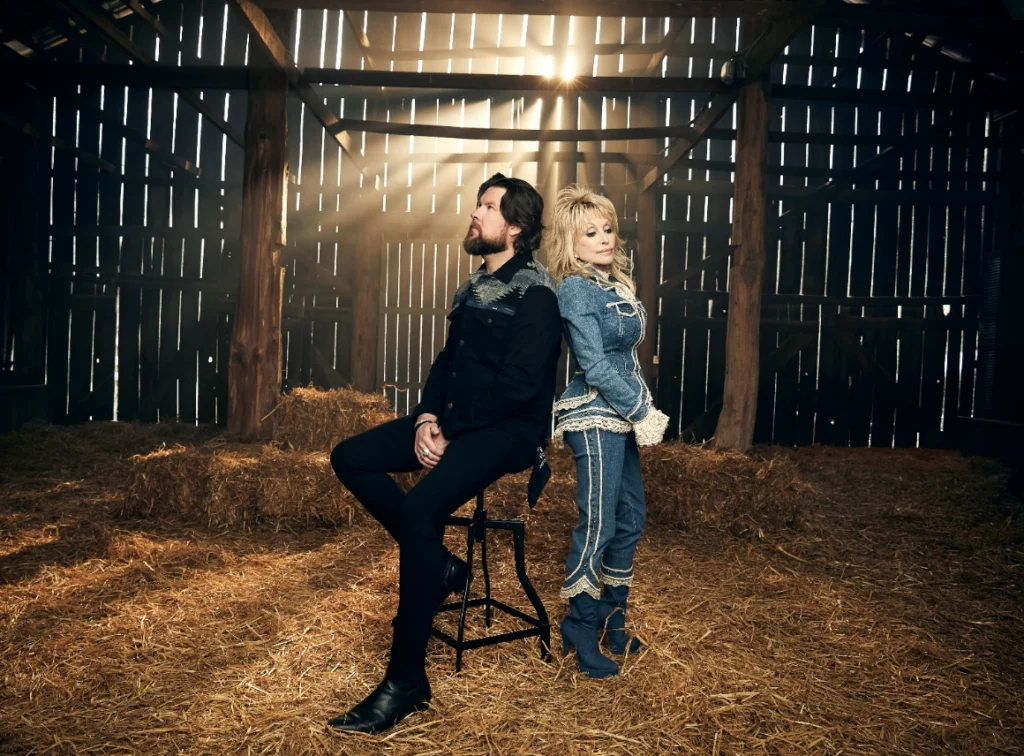
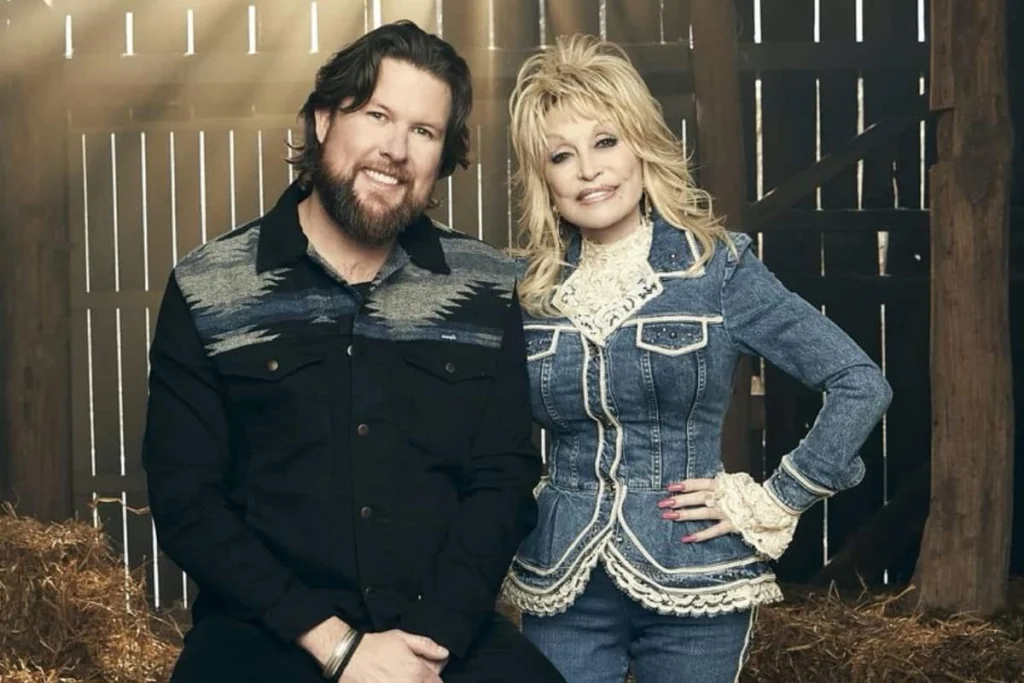
Dolly Parton will be remembered as the girl from the mountains of Tennessee who turned poverty into a global legend. She not only marked music with her voice and songs but also with her faith, humanity, and love for people. Her life is a testament that true wealth lies not in the material, but in the heart that gives. Dolly Parton will remain an eternal symbol of hope, love, and faith, a woman who brought light to millions and left a legacy that will never fade.
“The content is based on publicly available online information, with authorial processing and interpretation.”
Prepared by: Zorica Jandrieska